How the OPTs of Learned Optimism Can Help You Feel Better Fast
We are shaped by what we think. And when life hits hard—like a breakup, a mean work co-worker, or a rough day—our minds can start going dark like a disaster movie:
“My life is awful.”
“This will never end.”
“I’ll die alone and my cat will eat me.”
If your brain has ever gone full dramatic, you’re not broken—you’re human.
The good news? You can train your thoughts to be kinder, more realistic, and more hopeful.
Psychologist Dr. Martin Seligman, a leader in positive psychology, described a powerful tool called the Learned Optimism. This SpreeSpark shows you how to use this quick mood reset to stop spirals and help you feel better fast.
Why Learned Optimism Helps When Life Feels Heavy
Your thinking style affects:
• your mood
• your stress response
• your ability to bounce back
Research shows that pessimistic thinking patterns can increase feelings of discouragement and emotional stuckness. Optimism doesn’t mean pretending everything is fine. It means choosing explanations that help you cope, heal, and move forward.
Bad things happen to everyone.
But how we explain them to ourselves changes how we feel.
The OPTs of Learned Optimism (The Spiral Stopper)
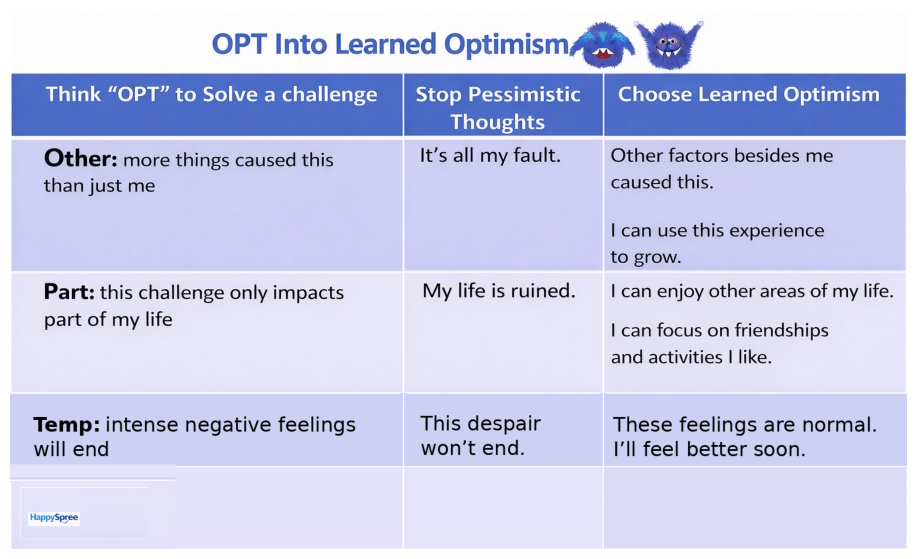
When we’re hurting, our minds often turn problems into:
• “This is all my fault.”
• “This ruins everything.”
• “This will never end.”
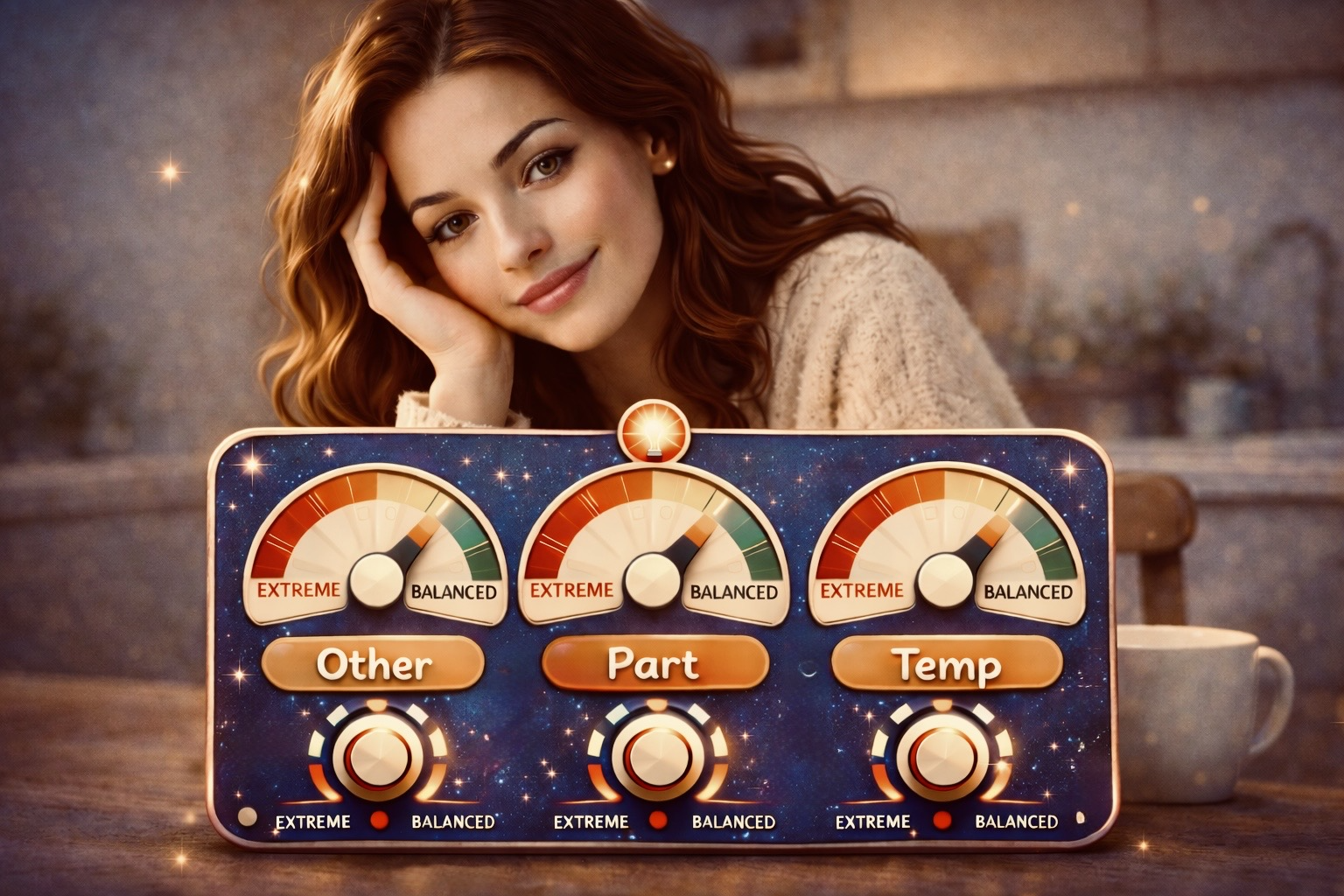
To OPT reframes challanges as:
• Other things caused this besides just me (not all on you)
• Part (this impacts part of my life, not everything)
• Temp (these intense feelings will end)
Let’s break this down for a painful breakup.
1) Other
“What else contributed besides me?”
After a setback, the mind loves to point the finger—usually at you.
But most situations are shaped by many factors: timing, stress, communication, unmet needs, life changes, compatibility. You can learn from your part without carrying the entire weight.
SpreeSpark Reframe for “Other”
Old thought: “It’s all my fault.”
1) Other reframe: “Other things besides me caused this. I can own my part and release the rest.”
Tiny-Win Prompt
Write 3 non-you things that played a role:
• stress at work
• family drama
• different goals or values
• timing or distance
• burnout or mental health
• communication patterns on both sides
Why reframing helps: less shame, less self-criticism, more clarity.
SpreeSpark Reframe for “Part”
Old thought: “Everything is awful.”
2) Part reframe: “This part hurts. Other parts can still be okay.”
Tiny Wins that can help you feel better.
• choose a flow activity (music, writing, cooking, art, walking)
• help someone (purpose boosts mood)
• invest in a friendship or family connection
• spend time with a pet (unconditional love counts)
Why it helps: your brain remembers you’re more than this one chapter.
SpreeSpark Reframe for “Temp”
Old thought: This will hurt forever.”
Believing that pain is permanent can keep your nervous system stuck on high alert. Intense feelings—even grief—are temporary and healing can move forward over time.
3) Temp reframe: “This is painful now, but it will change.”
Tiny-Win Phrases (try one today)
• “This is hard, and it’s normal.”
• “I will feel better with time.”
• “Today is heavy, not permanent.”
• “I’m healing even when I can’t feel it yet.”
Why it helps: your nervous system relaxes when your mind stops predicting forever-pain.
Recovery Is Possible (Real-Life Examples)
In her book Option B, Cheryl Sandberg describes using OPT after her husband’s sudden death:
• It wasn’t all her fault (Other)
• Not every area of life was ruined (Part)
• Her grief wouldn’t stay this intense forever (Temp)
That framework helped her take small steps forward, even through deep sorrow.
To get personal, these same reframes helped me heal after my divorce. When I stopped blaming myself for everything, focused on creating good memories with my kids, and realized my pain would someday end, my stress response eased. My breathing steadied. My heart stopped racing. Relief—and hope—became possible.
SpreeSpark: 2-Minute “Feel Better Fast” Reset
Next time your thoughts spiral, try this:
1. Other: What else contributed besides me?
2. Part: What part of my life is still okay or supportive?
3. Temp: What’s a gentler truth I can say about time?
Then choose one tiny win:
• step outside for 2 minutes
• text a friend
• write one kind sentence to yourself
• drink water
• take 5 slow breaths
Tiny wins don’t erase pain—but they restart hope.
FAQs
What are the OPTs of Learned Optimism?
They’re a positive psychology tool for reframing negative thoughts: focusing on other factors, part impact, and temp experiences.
Can this help solve problems?
Yes. Problems trigger self-blame, “everything is ruined” thinking, and fear that pain will last forever. OPT reframes negatives into positives so that you can take your next best step.
How fast does it work?
Many people feel relief quickly once their thoughts become more balanced. Like any skill, it gets easier with practice.
Want More SpreeSparks?
Join HappySpree to track your mood, collect SpreeSparks, and turn tiny wins into steadier, happier days—one step at a time.
About the Author
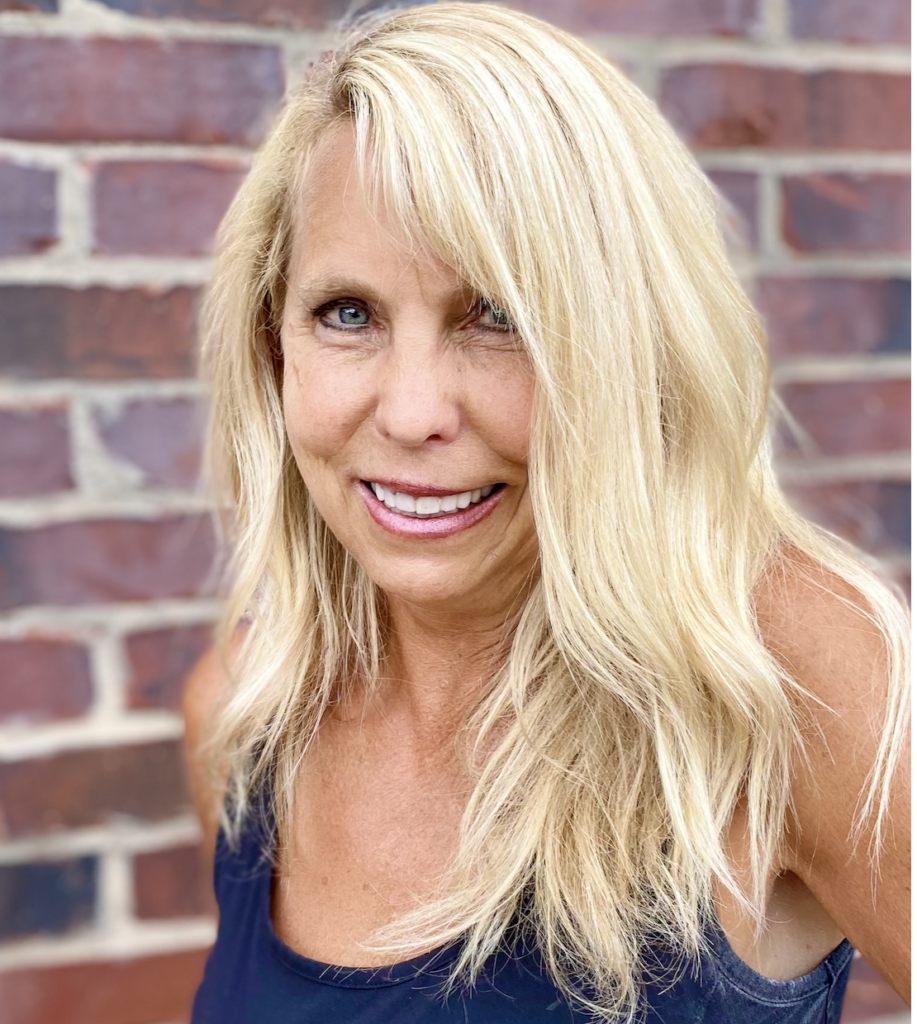
Kendeyl is the founder of HappySpree, a playful wellness app that helps people build emotional resilience through gentle daily check-ins, gratitude, and tiny wins. She writes about simple mental health habits that feel supportive–not overwhelming.